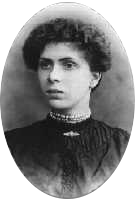
Victorio Castán Guillén
VICTORIO CASTÁN GUILLÉN (1912-1983)
Born in Villanueva del Gallego (Zaragoza, Aragon, Spain) on 26 March 1912, the anarcho-syndicalist and antifascist resister Victorio Castán Guillén – sometimes his name is mistakenly given as Victorino or Victoriano – used the alias Reyes. His parents were Maximiano Castán and Victoria Guillén. A painter and decorator by trade, by 1933 he was active within the Zaragoza CNT. Come the outbreak of the Civil War, he volunteered to serve in the “Carod-Ferrer Column” in the Bujaraloz area (Zaragoza, Aragon). Later he assumed command of a team of miners from Utrillas (Teruel, Aragon) that became the “Castán Battalion” that recaptured several villages from the rebel army in that area. After the militias were militarized, he commanded the 118th Mixed Brigade of the Second Spanish Republic’s Popular Army, formed around the “Castán Battalion”, with Saturnino Carod Lerín as its commissar. That Brigade, regarded as a shock unit due to its organization and offensive capability, was involved in June 1937 in mounting an attack from Fuendetodos (Zaragoza, Aragon) on Huesca (Aragon) and in recapturing several towns around Belchite and Sillero, before occupying Teruel. On 6 October 1937, the brigade was ordered to withdraw from Belchite and head for Caspe and Castán was put in charge of the 25th (Luis Jubert) Division and the XVIII Army Corps, with the rank of lieutenant-colonel. In April 1938, still holding that rank, he was put in charge of the 66th Division, alongside Francisco Bravo Quesada.
When Franco won the war, Castán was captured by Francoist troops and placed in the Albatera concentration camp. In May 1939, together with Saturnino Carod Lerín and Sebastián Vicente Esteban, he managed to escape, thanks to help from the CNT’s underground National Committee, headed by Esteban Pallarols Xirgu. After some time spent in Zaragoza, he, his partner Pilar Huertas Murtienes and their son crossed into France, thanks to an escape line set up by Francisco Ponzán Vidal (“the Ponzán Network”).
From March 1940 he was held in the Le Vernet concentration camp, from which he was freed on 15 May 1940 – some sources say that he escaped – and entered the service of the Foix gendarmerie (Foix, Occitania). From September 1940 on, he was with the National Defence Investigation Agency. Using the alias Reyes, he worked with the “Ponzán Network” as part of the anti-Nazi resistance, taking part in Gaullist French counter-espionage work (on behalf of the ‘Papa Noël’ Group headed by Naura), whilst still in close contact with Francisco Ponzán Vidal. On the night of 11-12 April 1941, he arrived in Barcelona via Andorra and shortly after that reached Madrid where he established contacts and set up an escape line: in Zaragoza he was in touch with Joaquín Sin Oto. It appears that it was at this point that he secured the freedom of some comrades from Huesca in return for the sum of 8,000 pesetas. He returned to France on 18 December 1941 with Ausencio Montañés López. It was on that trip that Saturnino Carod Lerín (aka El Cuco) and Vicente Moriones Belzunegui (aka Jose Luis Márquez Boya) were arrested inside Spain and in a written report to Ponzán, Castán accused Eliseo Melis Díaz as having been behind those arrests. In April 1942 he made a further trip into Spain, reorganizing the Madrid group and setting up a support base in Pamplona (Navarra) and established contact with the CNT’s new Aragon Regional Committee. He was back in France by early June. He twice managed to give the Gestapo the slip and it was thanks to him that an important German spy was captured, the upshot being that, after the Nazis were defeated, he was awarded the croix de guerre with bronze star.
After the world war, he rejected invitations from the provisional government of the Spanish Republic to enter its service and even refused the bonus he was due following his demobilization and reverted to his trade as a simple house-painter. Between 1 and 12 May 1945, he was appointed to the Audit Commission set up at the Spanish Libertarian Movement [MLE] in Exile’s First Congress in Paris; his fellow appointees were Ángel Aransáez, V. Gutiérrez, Josep Teixidor and Antonio Zamorano; the Commission’s task was to look into certain activities (resistance, collaboration with the Allied secret services, etc.) and the CNT assets that certain comrades had held on to during the Second World War. He was questioned on 16 August that year, but the work and findings of the Commission were never disclosed. In the end, following a number of issues and misunderstandings arising from his possible links with French police agencies and in order to spare the organization any embarrassment, he dropped out of active participation in the CNT. Within days of the death of his wife following a protracted illness caused by a serious road accident, Victorio Castán Guillén committed suicide on 5 May 1983, by putting a bullet in his own head in Bayonne (Labourde, Pays Basque)
From estelnegre.org/documents/castanguillen/castanguillen.html
VICTORIO CASTÁN GUILLÉN
Victorio Castán Guillén aka Reyes, CNT activist in Aragon, started the civil war as a militian with the Carod-Ferrer Column in the Bujaraloz area. He then went on to lead a team of miners from Utrillas that were to set up the Castán Battalion that was to recapture several local villages from the rebels.
Following militarization, Castán commanded the 118th Mixed Brigade, of which the Castán Battalion was the core and which has Saturnino Carold Lerín as its commissar. That brigade was looked upon as a spearhead unit due to its organization and fighting capabilities and in June 1937, striking out from Fuendetodos, it launched an attack on Huesca and captured Belchite and Sillero before playing a part in the capture of Teruel.
On 6 October the Brigade was ordered to pull out of Belchite and make for Caspe and Victorio Castán was appointed to command of the 25th Division and the XVII Corps, with the rank of lieutenant-colonel.
In April 1938, holding the same rank, he was made commander of the 66th Brigade alongside Francisco Bravo Quesada.
Taken prisoner at the end of the war, he was placed in the Albatera camp from which he escaped sometime around May 1939 with Saturnino Carold Lerin and Sebastián Vicente Esteban.
During the evening confinement of the inmates to their barracks, all three men had managed to take cover in a ditch.
After a short stay in Zaragoza, Castán moved on to France with his partner and their son, thanks to an escape line established by Francisco Ponzán Vidal and by March 1940 he was being held in the Le Vernet camp from which he was freed on 15 May 1940 (some say he escaped), only to be handed over to the gendarmerie in Foix and from September 1940 he was working for the National Defence Intelligence Agency.
He worked alongside Francisco Ponzán Vidal’s network, taking part in the anti-Nazi resistance in operations mounted by the French Gaullist counter-espionage group led by Major Naura, aka Papa Noël, whilst staying in close contact with Ponzán. On the night of 11-12 April 1941 Castán left Andorra for Barcelona and thence to Madrid where he established several contacts and built up an escape line and then returned to Zaragoza where he was in touch with his comrade Joaquín Sin Oto.
It was possibly at that point, or on another trip? that he delivered the sum of 8,000 pesetas to his comrades in Huesca (Aragon).
He returned to France on 18 December 1941 with Ausencio Montañés López. It was on this trip that he was arrested in Spain with Saturnino Carod Lerín (El Cuco) and Vicente Moriones Belzúnegui and José Luis Márquez Boya. In a report addressed to Ponzán, Castán accused Eliseo Melis of having been behind those arrests.
In April 1942 he made another trip into Spain and overhauled the Madrid group and organized a support base in Pamplona, re-establishing contact with the new Aragon CNT Regional Committee. Castán was back in France by early June.
On two occasions he dodged the Gestapo and was behind the capture of a very important German agent; come the Liberation, that earned him the croix de guerre with bronze star.
After the Liberation he refused an invitation from the Provisional Government of the Republic that he enter its service and he declined a demobilization bonus… In accordance with his ideals he retreated into anonymity and his house-painter trade. At the very first congress held in Paris by the Spanish Libertarian Movement (MLE) in Exile a commission was appointed to look into the activities of certain comrades during the Second World War (resistance, partnership with the Allied secret services) and how the organization’s assets had been safeguarded. In an interview with that commission on 16 August 1945, Victorio Castán explained his intelligence service activities:
“I was expelled from France twice and as I was in a tricky situation the French suggested that I work with them on the activities of the Germans inside Spain, to which I agreed. On arrival in Spain I went to see the organization’s National Committee in Madrid and laid out my situation before them, plus the benefits of the organization’s keeping out of it. I always reckoned that the organization should not involve itself in such activities …. But, given the circumstances, some volunteer comrades had to sacrifice themselves and, through their actions, assist the organization. The first comrade to brief the movement in Spain about the activities of the General Council [of the Libertarian Movement] in France was me. I asked them to choose a delegate to travel to France where the leadership might receive an accurate run-down on the situation. That delegate who was to go to France was Torres who passed through Melis’s home. And once I heard that Melis knew of the plan, I abandoned any thought of bringing him over the border. Melis had suggested Ponzán’s attacks on Franco. When Moriones was arrested, Melis had suggested to the youngsters from the group that they go to Vilaljuga, Gerona in Catalonia, but one youngster, his suspicions aroused, had sent a discreet scout on ahead and the latter found that there were lots of [Civil] Guards in Vilaljuga and Gerona in Catalonia, which was unusual for that area, so the youngsters stayed away.”
Later, in order to avoid any confusion and in keeping with his view that individual actions should not compromise the organization, Victorio Castán dropped out of CNT activities.
He committed suicide in Bayonne in May 1983, only days after the death of his wife, Pilar.
Entry by Joselito in https://sobrelaanarquiayotrostemasii.wordpress.com
Translated by: Paul Sharkey.
Subjects:
- Anarchist resistance to Francoism
- Aragon
- Castán Guillén, Victorio (1912-1983)
- Confederación Nacional del Trabajo CNT
- French resistance
- Lives (biography, autobiography)
- Melis Díaz, Eliseo
- Ponzán network / Pat O'Leary Line
- Spain
- Spanish anarchists outside Spain
- Spanish Revolution and Spanish Civil War SCW
- World War Two
- Zaragoza
Similar items
- Imanol, -. Fresh Information about the Underground in France, plus MLE Dirty Linen.
- Imanol, -. The MLE’s Dirty Linen. Unspoken Not the Same as Non-Existent..
- Mateo Otal, Raúl. Pedro Fernández Eleta.
- Imanol, -. Marcelino Massana, a Wit and Character Right to the Grave.
- Imanol, -. Paradox: Anti-Militarist, yet Fought in Three Wars.